
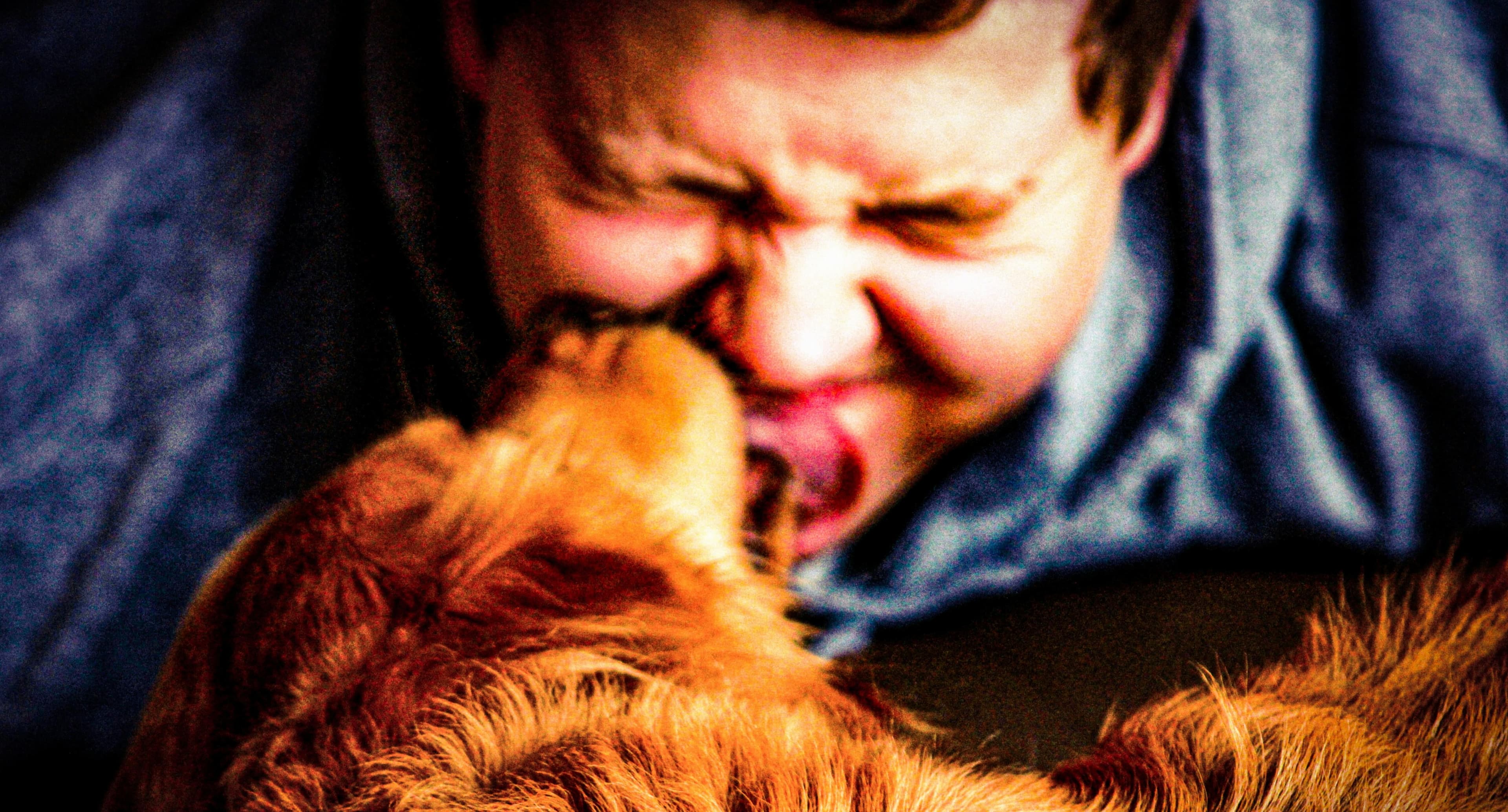
Why Does My Dog Lick Me So Much? (And How to Stop It)
Learn the science behind dog licking, how to tell the difference between affection and anxiety, and how to stop excessive licking with positive reinforcement training.
We all know the feeling. You come home after a long day, sit on the couch to relax, and suddenly—slurp.
Your dog is licking your hand. Then your arm. Then they try to aim for your face.

We love our dogs, and we know they love us, but sometimes the constant licking can be a bit too much. Is it normal? Are they trying to tell us something? Or do we just taste like a delicious snack?
Here is the truth behind why your dog can’t stop licking you, and simple ways to handle it if it gets out of hand.
The 4 Main Reasons Dogs Lick Humans
Since dogs can't speak to us in words, they use their bodies to communicate. Licking is one of their most important tools.
1. They Are Saying "I Love You"
This is the most common reason. From the moment they are born, puppies are licked by their mothers to clean them and bond with them. When your dog licks you, they are releasing happy chemicals (endorphins) in their brain. It calms them down and makes them feel connected to you. It is literally their version of a hug or a kiss.
2. You Taste Good (Really!)
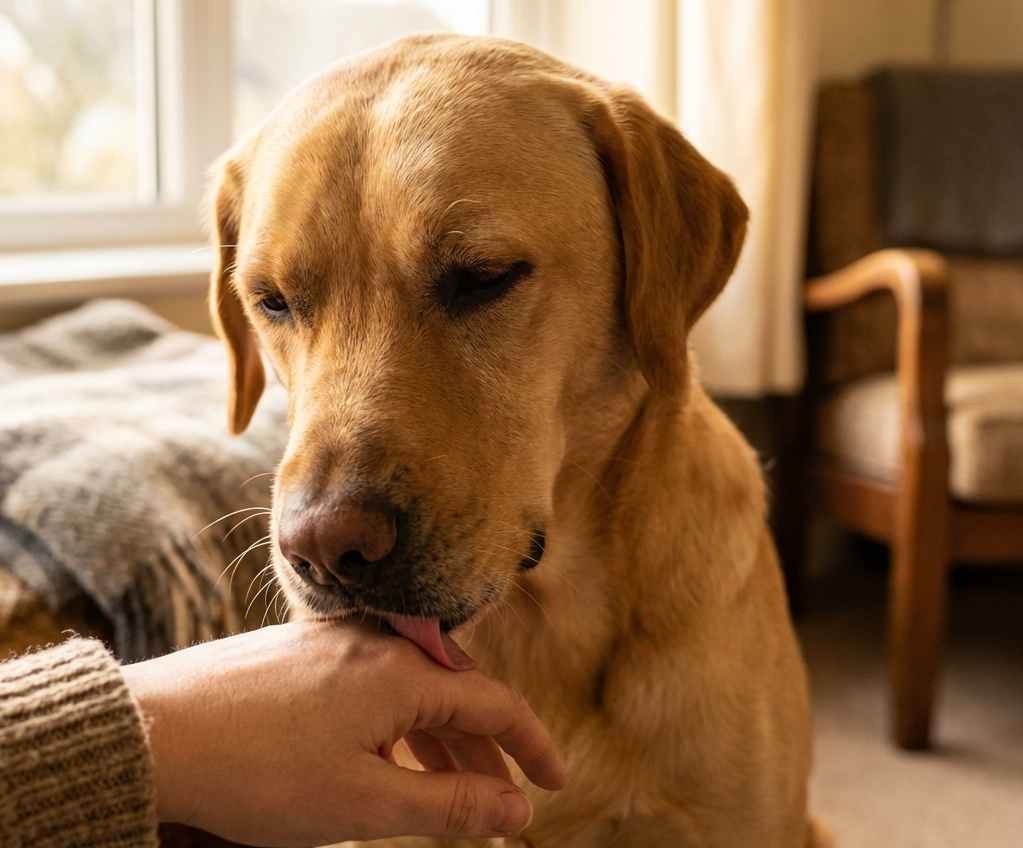
It sounds funny, but it’s true. Human skin is naturally salty, especially if you have been sweating or exercising. Dogs crave that salty taste. Also, if you recently ate a burger or made a sandwich, your hands still smell like food to your dog’s powerful nose. They are simply exploring the interesting flavors on your skin.
3. They Want Your Attention
Dogs are very smart. They learn quickly what makes you look at them. Think about what happens when they lick you. You might say "Stop it," laugh, or push them away. To a dog, that is all attention. They learn that if they want you to interact with them, all they have to do is start licking.
4. It Is a Sign of Respect
In the wild, dogs live in groups (packs). Lower-ranking dogs often lick the faces of the leaders to show respect and submission. By licking you, your dog might be acknowledging that you are the boss of the house!
When Should You Be Worried?
Most of the time, licking is harmless. However, if your dog licks constantly, frantically, or looks stressed while doing it, it could be a sign of anxiety. Just like humans bite their nails when nervous, dogs lick to soothe themselves. If it seems obsessive, it is best to check with your vet.
How to Stop the Constant Licking
If you love your dog but want a little more personal space, here are three simple ways to stop the behavior without being mean.
1. The "Ignore" Method
This is the most effective trick.
- When your dog starts licking, do not react.
- Don't look at them, don't talk to them, and don't push them away.
- Simply stand up and walk out of the room.
Why it works: Your dog learns that licking makes the fun stop. If they want you to stay, they have to stop licking.
2. The "Redirect"
Dogs usually lick because they want their mouth to be busy.
- When they start to lick you, immediately offer them a chew toy or a bone.
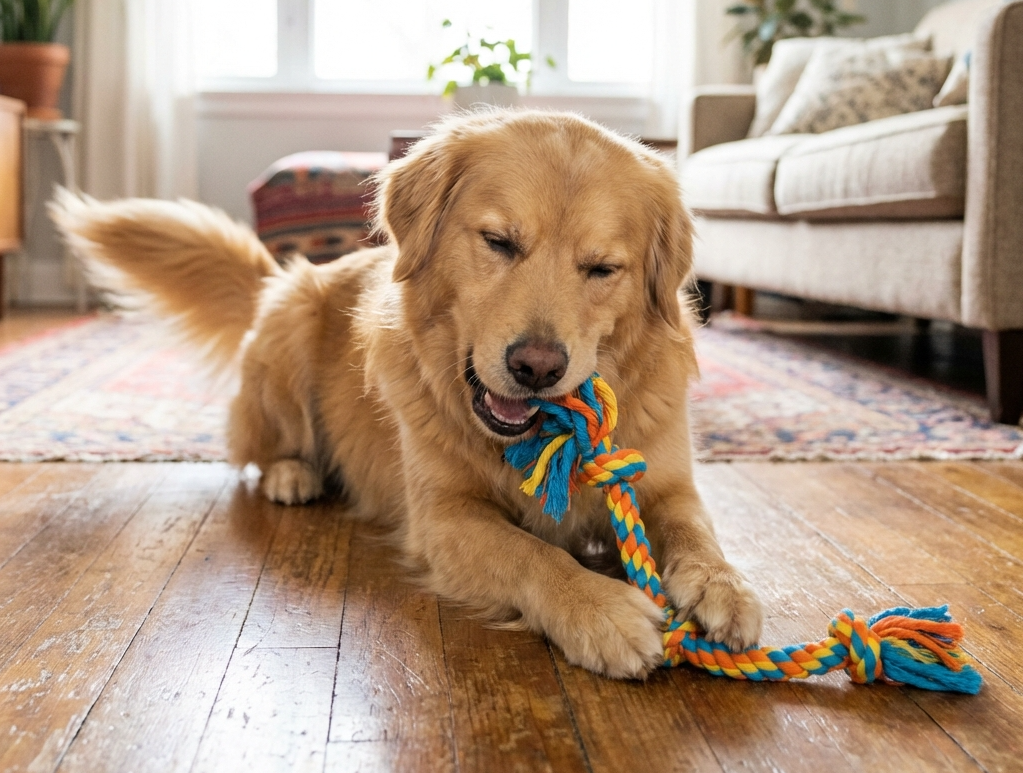
Why it works: You are telling them, "Don't lick my hand, lick this toy instead." It gives them a positive outlet for their energy.
3. Burn That Energy!
A bored dog is a licking dog.
- Make sure your dog is getting enough exercise. A long walk or a game of fetch can work wonders.
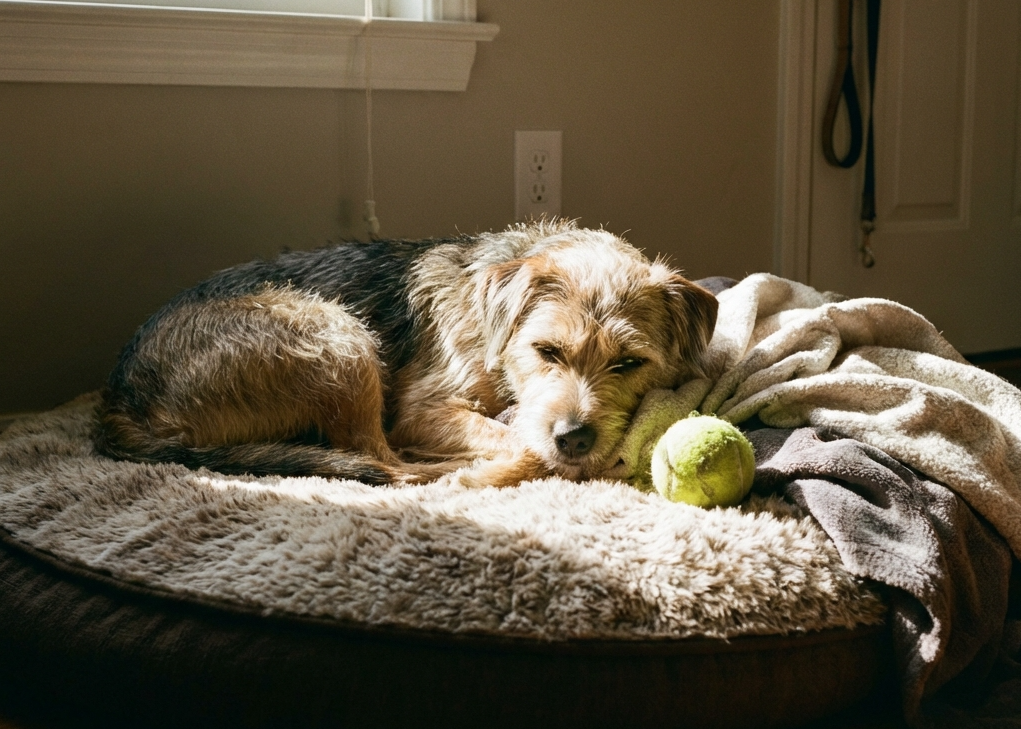
Why it works: If your dog is tired and happy, they will be more likely to curl up for a nap than to bother you with excessive kisses.
Conclusion
Licking is natural and usually comes from a place of love. But remember, you are the leader of the pack! It is okay to set boundaries so that you can enjoy your time with your furry best friend—without needing a towel afterwards.
Written by the Pleya Pet Care Team, dedicated to helping pet parents provide the best care for their furry family members.
Was this article helpful?